|
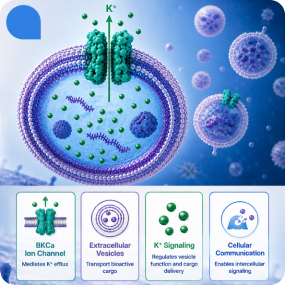
Extracellular vesicles (EVs) are tiny membrane-bound particles that transport proteins, lipids, RNA, and metabolites between cells, playing critical roles in cell communication, disease progression, and regenerative medicine. But one fundamental question has remained unanswered: how do these delicate vesicles survive dramatic ionic shifts as they move between cells?
A recent Nature Communications study provides compelling evidence that EVs contain functional BKCa potassium channels (KCNMA1) that actively regulate vesicle stability and cargo integrity during transit. Using innovative electrophysiology techniques, researchers demonstrated that EV membranes carry gated, pharmacologically responsive potassium channels capable of adapting vesicle size in response to extracellular potassium concentrations.
The study combined near-field electrophysiology, artificial lipid bilayer recordings, knockout mouse models, and NanoString miRNA profiling to show that BKCa channels influence not only EV structural resilience, but also the biological potency of their cargo. EVs lacking BKCa failed to properly respond to ionic gradients, displayed altered size distributions, and carried significantly different miRNA profiles, including reduced levels of cardioprotective miRNAs.
Importantly, Alomone’s Anti-KCNMA1 (KCa1.1) Antibody (APC-021) was used to validate BKCa localization on EV membranes, demonstrating strong specificity in knockout validation experiments and robust co-localization with labeled EVs.
Functionally, EVs containing BKCa channels protected human iPSC-derived cardiomyocytes from oxidative stress, while BKCa-deficient EVs lost much of this protective effect. The findings establish ion channels as active regulators of EV physiology and open new avenues for understanding EV biology, therapeutic engineering, and biomarker development.
👉 Read the full article here.
|
|
|
|
BKCa Channels: The Hidden Gatekeepers of Extracellular Vesicle Stability
|
A new Nature Communications study reveals that extracellular vesicles (EVs) contain functional BKCa potassium channels that help them withstand dramatic ionic changes during intercellular transport. Using advanced electrophysiology and knockout mouse models, researchers showed that BKCa channels regulate EV size, structural integrity, and cargo composition. The findings position BKCa as a critical regulator of EV function and highlight ion channels as active contributors to vesicle biology and therapeutic potential.
|
|
|
|
|
|
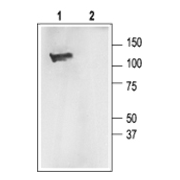
A rabbit polyclonal antibody targeting an intracellular C-terminal epitope of the KCNMA1/BKCa channel. It is designed for detection of KCNMA1 in human, mouse, and rat samples and is suitable for WB, IHC, ICC, IF, and IP applications. This antibody is KO-validated and has been widely cited in studies of calcium-activated potassium channels, neuronal signaling, smooth muscle function, and membrane excitability.
|
|
|
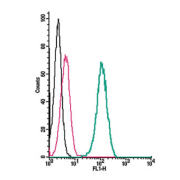
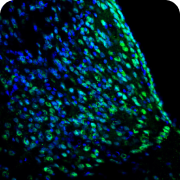
A rabbit polyclonal antibody targeting an extracellular epitope of the KCNMA1/BKCa channel, enabling detection of surface-expressed channels in living cells. It is validated for WB, IHC, IF, IFC, and live cell imaging applications and recognizes human, mouse, and rat KCNMA1.
|
|
|
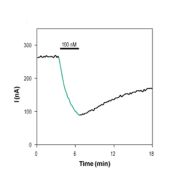
A highly pure, peptide toxin and a potent, selective blocker of KCa1.1 (BK/Maxi-K) potassium channels. It is widely used in electrophysiology and ion channel research to study calcium-activated potassium channel function in neuronal, smooth muscle, and sensory systems.
|
|
|
|
|

|
238 Citations
|
|
|
|
|
50 Citations
|
|
|
|
|
187 Citations
|
|
|
|
|
|
|
A rabbit polyclonal antibody targeting an extracellular epitope of the CD81/TSPAN28 protein, enabling detection of surface-expressed CD81 in live and fixed cells. It is validated for WB, IHC, IFC, flow cytometry, and live cell imaging applications, recognizes human, mouse, and rat CD81, and can be used for the detection and characterization of extracellular vesicles (EVs).
|
|
|
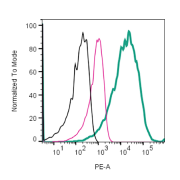
A polyclonal antibody directly conjugated to R-Phycoerythrin (PE), targeting an extracellular epitope of CD81/TSPAN28 for sensitive fluorescent detection of surface-expressed CD81. It is optimized for direct flow cytometry, live cell imaging, and extracellular vesicle (EV)/exosome detection and characterization, and is especially useful for multiplex fluorescent assays.
|
|
|
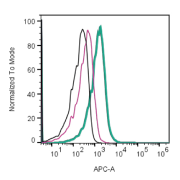
A polyclonal antibody directly conjugated to Allophycocyanin (APC), targeting an extracellular epitope of the CD9 protein for sensitive fluorescent detection of surface-expressed CD9. It is optimized for flow cytometry, live cell imaging, and extracellular vesicle (EV)/exosome detection and characterization in human, mouse, and rat samples, and is especially useful for multiplex fluorescent assays.
|
|
|
|
|
We Continue to Fully Support Science Around the World
Leading membrane protein research tools for 35+ years.
We provide high-quality solutions for academia, pharma, biotech, and CROs – validated by over 30,000 scientific citations demonstrating our excellence.
|
|
|
|
|
|
|
|
|