|
在免疫組織化學(IHC)與免疫細胞化學(ICC)實驗中,高背景噪音(High Background)一直是研究者追求高品質影像的最大阻礙。當目標蛋白表現量較低時,螢光訊號往往被背景噪音掩蓋,導致無法獲得清晰、具說服力的結果。
Alomone Labs 推出的 HyPer3D 技術,為研究者提供了一種簡單、直接且強大的解決方案,能顯著改善訊雜比(Signal-to-Background Ratios, SBRs)。
為什麼選擇 HyPer3D?
1. 極致的訊號增強與噪音抑制
HyPer3D 不僅僅是單純的訊號放大,它透過優化的化學原理,同時達成「增強目標訊號」與「降低背景干擾」的雙重效果。即使是極微量的蛋白,也能在影像中清晰浮現。
2. 超越傳統方法
傳統的酪醯胺訊號放大法(TSA)雖然能增加亮度,但常伴隨嚴重的背景噪音。HyPer3D 經過特殊設計,能精準鎖定抗原位點,提供比傳統二抗或 TSA 更高的對比度。
3. 無縫接軌現有實驗流程
您不需要更換原本慣用的抗體或購買昂貴的特殊儀器。HyPer3D 的操作流程與標準免疫螢光染色高度相似,僅需簡單的步驟調整,即可將影像品質提升至全新層次。
核心優勢與應用
-
提升訊雜比 (SBR): 讓目標構造在複雜組織中脫穎而出。
-
低豐度蛋白偵測: 讓過去無法顯影的低表現量離子通道或受體清晰可見。
-
高品質影像輸出: 為您的學術論文提供具備專業出版品質的螢光顯微照片。
-
相容性廣泛: 適用於各種固定組織切片與培養細胞。
實證數據:看得見的差異
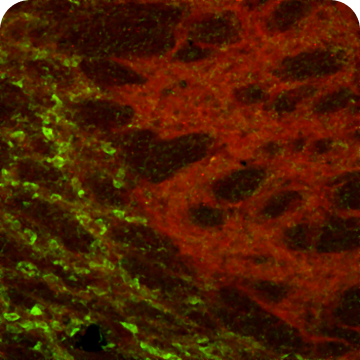
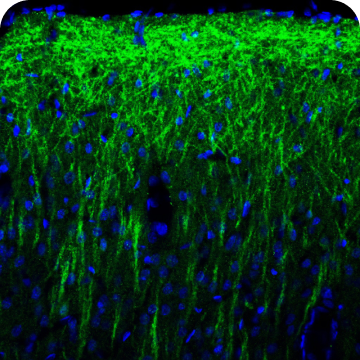
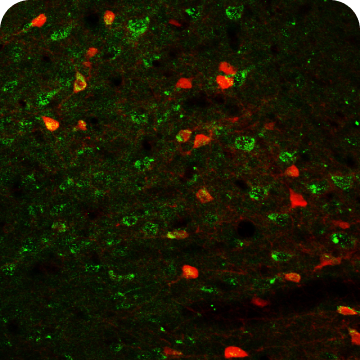
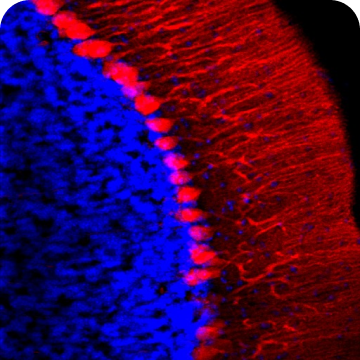
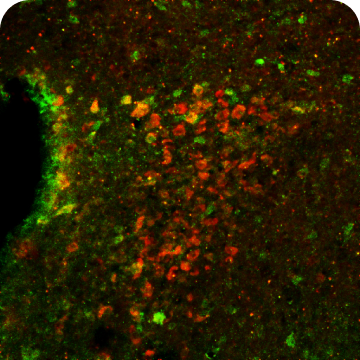
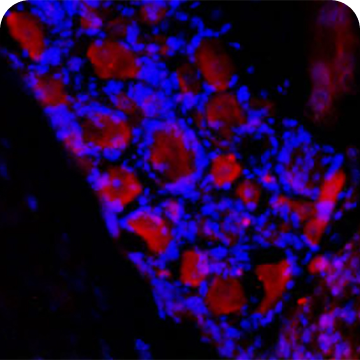
根據官方測試數據顯示,使用 HyPer3D 處理的樣本,其訊雜比(SBR)較傳統方法有數倍的增長。無論是在中樞神經系統組織或是外周器官切片中,HyPer3D 都能展現極致的影像清晰度。
「HyPer3D 將原本模糊的實驗結果,轉化為具備高度科學價值的清晰影像。」
立即優化您的成像實驗
別讓背景噪音淹沒了您的研究發現。透過 HyPer3D,您可以更自信地解讀實驗數據,加速科研進程。
亞旭生物科技 (Asia Bioscience) 作為專業代理商,提供完整的技術諮詢與產品支援,協助您導入 HyPer3D 技術,讓您的影像研究更上一層樓。
實際應用效果如何
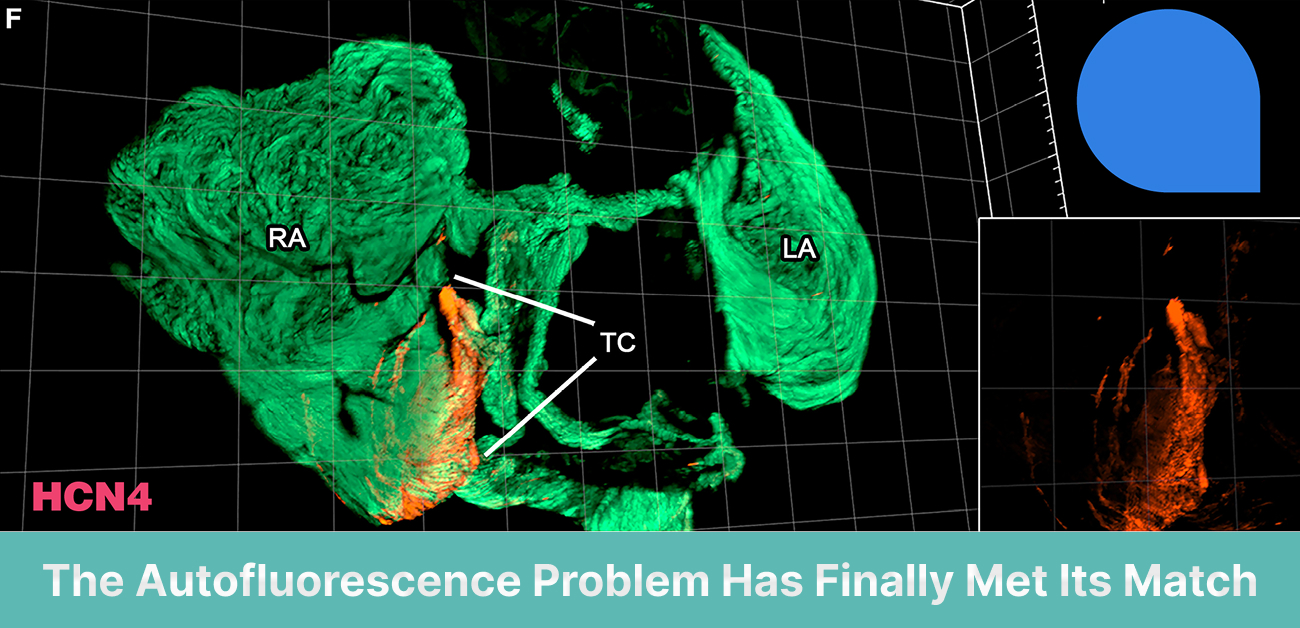
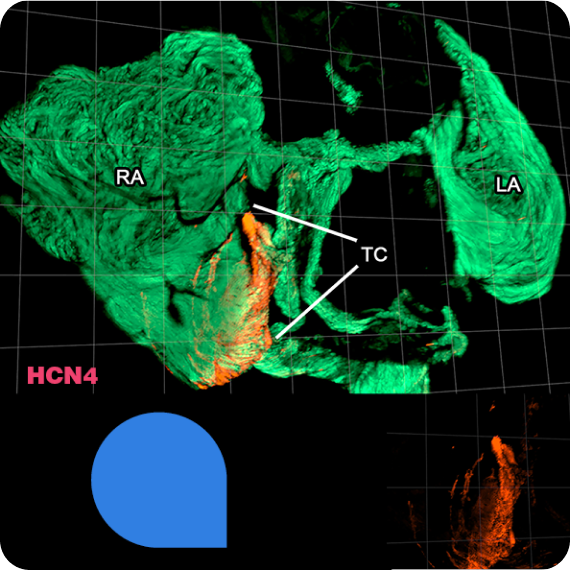
在心臟組織中,研究人員使用 Alomone 公司的抗 HCN4 抗體 (#APC-052) 來標記竇房結 (SAN)——一個體積小、彌散的結構,眾所周知,它很難被分辨。
|
|
|
|
When Background Noise Becomes the Limiting Factor
|
A simple pre-treatment delivers up to 30×higher SBR, improves clearing, and reveals biological signals previously obscured by autofluorescence.
|
|
|
|
|
A highly specific, knockout validated antibody targeting the HCN4 ion channel, a key marker of cardiac pacemaker cells. Validated across multiple applications—including immunohistochemistry, immunofluorescence, western blot, and immunoprecipitation—it reliably detects HCN4 in human, mouse, and rat tissues.
|
|
|
A highly specific antibody targeting the TRIP8b protein, a key auxiliary subunit of hyperpolarization-activated cyclic nucleotide-gated (HCN) channels, validated for applications such as IHC and WB. TRIP8b directly regulates HCN channel trafficking and gating—particularly HCN4, a major isoform in cardiac and neuronal pacemaker activity.
|
|
|
An antibody targeting an extracellular epitope of GFRA1, the GPI-anchored co-receptor that binds GDNF and mediates RET signaling, suitable for WB, IHC, ICC, and live-cell imaging. In testis, is a critical co-receptor primarily responsible for the maintenance, self-renewal, and survival of spermatogonial stem cells.
|
|
|
|
|

|
240 Citations
|
|
|
|
|
2 Citations
|
|
|
|
|
6 Citations
|
|
|
|
|
|
A highly specific antibody targeting the HCN1 channel, validated for WB, IHC, ICC, and IF, and reactive with human, mouse, and rat samples. HCN1 is a key member of the HCN channel family that generates hyperpolarization-activated currents (Ih), playing a central role in neuronal excitability, synaptic integration, and pacemaker activity in the brain and heart.
|
|
|
A highly specific antibody targeting the HCN2 channel, validated for applications including WB, IHC, ICC, IF, and IP, and reactive with human, mouse, and rat samples. HCN2 has an important role in regulating neuronal excitability and rhythmic activity in the brain and heart.
|
|
|
An antibody targeting the HCN3 channel, validated for WB, IHC, and IF, and reactive with human, mouse, and rat samples. HCN3 has prominent expression in the brain (e.g., hypothalamus), where it helps regulate neuronal excitability and rhythmic activity.
|
|
|
|
|
|
103 Citations
|
|
|
|
|
145 Citations
|
|
|
|
|
43 Citations
|
|
|
|
|
|
|
|
|
|
|
|